FDA Ghana Strengthens Food Safety Enforcement in 2026: What It Means for Your Business and How to Stay Compliant
In February 2026 the Food and Drugs Authority (FDA) Ghana signaled a renewed focus on food safety enforcement and compliance to protect public health and strengthen regulatory standards across the country. These developments have direct implications for food producers food service operators distributors and others in regulated sectors. Understanding these actions helps businesses reduce risk protect customers and build trust in their brands.
Effective February 1 2026 the FDA began nationwide enforcement against food service establishments operating without a valid Food Hygiene Permit. This applies to a wide range of operators, including restaurants, hotels, chop bars, snack bars, bakeries, food vans, caterers, online food vendors and institutional canteens in schools, hospitals and workplaces. Businesses found operating without a current permit face closure until they achieve full compliance as required by law. For more details, see.
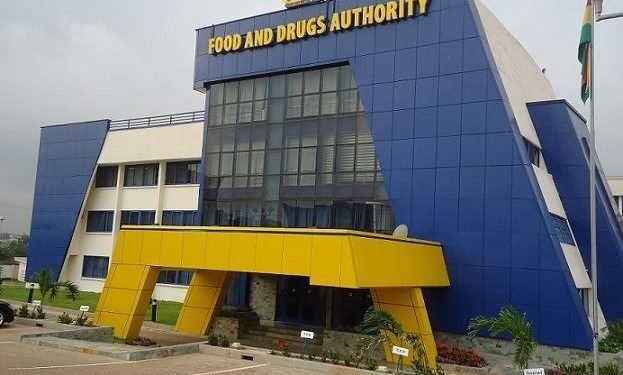
The FDA’s enforcement actions are based on provisions of the Public Health Act 2012 (Act 851) which mandates that premises involved in food preparation and supply be properly registered and permitted before serving the public. This step is not only a legal requirement but also a foundational element of food safety practice.
In addition to enforcement the FDA has reminded the public of risks associated with unsafe food practices and unhygienic environments warning consumers against buying food sold near open gutters or contaminated areas. This emphasis on hygiene and food quality reinforces the importance of real world practices that protect consumers and uphold public health.
What This Means for Your Business
For companies involved in food production, distribution, catering, and service, the FDA’s actions highlight several key priorities.
- Regulatory compliance is essential.
Securing and maintaining appropriate permits such as the Food Hygiene Permit is a legal obligation. Failure to do so can lead to closures, fines, and long-term reputational damage. - Proactive risk management protects business value.
Staying aware of regulatory updates and maintaining ongoing compliance reduces the likelihood of enforcement actions and operational disruptions. - Food safety culture matters.
Compliance goes beyond documentation. Businesses must embed hygiene and quality practices into daily operations, including sanitation, waste control, staff training, and supplier monitoring. - Consumer trust is linked to safety.
Customers are increasingly aware of safety standards and expect visible evidence of compliance. Strong food safety practices therefore support brand credibility and competitive advantage.
How Bioscigen Supports Clients
In a regulatory environment where enforcement is becoming more active across African markets, Bioscigen works with companies to understand requirements and implement practical compliance strategies. Our support includes:
- Regulatory advisory for licensing, permits, and legislative compliance
- Readiness assessments and gap analyses to identify compliance risks early
- Training on food safety systems and hygiene standards
- Regulatory strategy and submission support for permits, product approvals, and ongoing compliance
As regulators continue to strengthen oversight, businesses that take a structured and proactive approach to compliance are better positioned for sustainable growth, operational resilience, and market expansion.
If you would like support preparing for regulatory inspections or understanding permit requirements in Ghana or other African markets, our team can help you develop a strategy that protects both your business and your customers.